


 天天爆殺
天天爆殺  今日66折
今日66折 









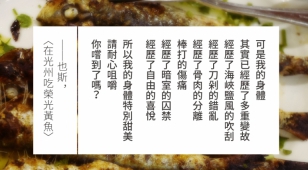
文/夏夏2016年06月14日
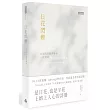
為了讓日漸消瘦的父親恢復食欲,試了不少菜色,最終還是父親最愛的麵食能讓他多吃幾口。通常在早晨開始揉麵,父親在一旁碎唸,他並非生性嘮叨,乃是因為中風後手腳使不上力,那張嘴巴就代替喜歡親自動手的他揉麵。 麵揉好後蓋上濕布,等醒麵的時間裡還得備料,紅蘿蔔、杏鮑菇、菠菜、洋蔥,看冰箱裡 moreWritten by Leung Ping-kwan in the 1980s and 1990s, this volume of poetry evokes the complexity of Hong Kong city life in the critical moments preceding the 1997 handover. The poet muses upon the problems of cultural identity and the passing of time, and explores the relationship between poetry and other genres and media within a cross-cultural and cross-border context. An introduction by Ackbar Abbas in the original edition relates Leung's writing to the cultural and political space of Hong Kong in the 1990s. This expanded bilingual version adds a new essay by Esther Cheung, and also a recent conversation between Leung and three critics, which provides insights on how Leung's poetry still resonates powerfully after two decades. The book invites readers to look afresh at Leung's meditative poetry and probe into the contradictory realities of this changing postcolonial city.
作者簡介
Leung Ping-kwan, better known under his pen name Ye Si, is the author of Foodscape (1997), Clothink (1998), Travelling with a Bitter Melon (2002), Islands and Continents (2006), Shifting Borders (2009), Hong Kong Culture (1995), and Hong Kong Literature and Cinema (2011). He is Director of the Centre for Humanities Research and Chair Professor of Comparative Literature at Lingnan University.
Esther M. K. Cheung is Chair of the Department of Comparative Literature and Director of the Centre for the Study of Globalization and Cultures at the University of Hong Kong.





博客來數位科技股份有限公司 統編 : 96922355 地址:臺灣 114063台北市內湖區石潭路159號3樓 食品業者登錄字號:A-196922355-00000-9
Copyright © since 1995 books.com.tw All Rights Reserved.











 博客來
博客來 博客來
博客來 博客來
博客來 博客來
博客來 博客來
博客來 常見問題
常見問題 線上客服
線上客服 寫信給客服
寫信給客服