


客服公告:2026年春節期間各項服務說明。詳情
 天天爆殺
天天爆殺  今日66折
今日66折 
客服公告:2026年春節期間各項服務說明。詳情
分期價:(除不盡餘數於第一期收取) 分期說明
| 3期0利率 | 每期4700 | 6期0利率 | 每期2350 |
|---|













This Faraday Discussion focuses on the scientific questions, challenges and areas for future development to advance polymer science. It comprises the following interrelated themes:
Novel feedstocks This section focuses on the chemistry and processes to make monomers and to functionalise natural biopolymers. It includes papers on the use and benefits for biomass derived monomers, such as those from carbohydrates, triglycerides, lignin and terpenes, with a particular focus on use of co-products and wastes in polymer production. Catalysis This section investigates how catalysis can be used to make polymerisation processes more efficient and more sustainable, and to control polymer sequences, stereo- and regiochemistry, so as to enable innovative material and properties. Discussion topics include organocatalysis, metal-based catalysis and heterogeneous catalysis, the synthesis of novel catalytic systems, the elucidation of catalytic reactions using experimental and computational methods (including in situ reaction monitoring), and the impact of residual catalytic species on polymer properties. Polymerisation processes and computational methods to control structure This section discusses how to regulate, control and effect control over polymer sequences, structures, architectures and molar mass distributions by using external stimuli and process control. The section also covers how data and machine learning-driven approaches can help to improve polymerisation processes. The types of chemistry discussed include ’triggers/switches and stimuli’, methods to control molar mass distributions, polymer syntheses in flow, and computational approaches to optimise structures and performances. Closing the loop - the chemistry of depolymerisation, polymer recycling and environmental degradation This section examines the chemistry and fundamental science challenges associated with the different end-life options for polymers. Discussion topics include chemical recycling, designing polymer structures for efficient mechanical recycling, polymer upcycling and re-purposing, depolymerisation kinetics/thermodynamics and mechanisms, depolymerisation catalysis, polymer composting and biodegradation. The environmental chemistry of polymers is also discussed. Future opportunities to combine effective polymerisation and depolymerisation strategies into the design of polymer structures are at the heart of this section and the associated discussions.
Faraday Discussions documents a long-established series of Faraday Discussion meetings which provide a unique international forum for the exchange of views and newly acquired results in developing areas of physical chemistry, biophysical chemistry and chemical physics. The papers presented are published in the Faraday Discussion volume together with a record of the discussion contributions made at the meeting. Faraday Discussions therefore provide an important record of current international knowledge and views in the field concerned. The latest (2023) impact factor of Faraday Discussions is 3.3.
外文館商品版本:商品之書封,為出版社提供之樣本。實際出貨商品,以出版社所提供之現有版本為主。關於外文書裝訂、版本上的差異,請參考【外文書的小知識】。
調貨時間:無庫存之商品,在您完成訂單程序之後,將以空運的方式為您下單調貨。原則上約14~20個工作天可以取書(若有將延遲另行告知)。為了縮短等待的時間,建議您將外文書與其它商品分開下單,以獲得最快的取貨速度,但若是海外專案進口的外文商品,調貨時間約1~2個月。
若您具有法人身份為常態性且大量購書者,或有特殊作業需求,建議您可洽詢「企業採購」。
退換貨說明
會員所購買的商品均享有到貨十天的猶豫期(含例假日)。退回之商品必須於猶豫期內寄回。
辦理退換貨時,商品必須是全新狀態與完整包裝(請注意保持商品本體、配件、贈品、保證書、原廠包裝及所有附隨文件或資料的完整性,切勿缺漏任何配件或損毀原廠外盒)。退回商品無法回復原狀者,恐將影響退貨權益或需負擔部分費用。
訂購本商品前請務必詳閱商品退換貨原則。



博客來數位科技股份有限公司 統編 : 96922355 地址:臺灣 114063台北市內湖區石潭路159號3樓 食品業者登錄字號:A-196922355-00000-9
Copyright © since 1995 books.com.tw All Rights Reserved.

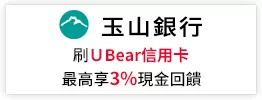

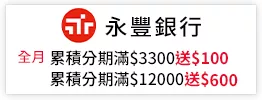
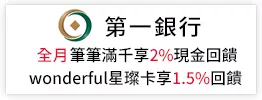
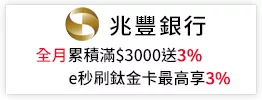




 博客來
博客來 博客來
博客來 博客來
博客來 博客來
博客來 博客來
博客來 常見問題
常見問題 線上客服
線上客服 寫信給客服
寫信給客服